Ambient Storage in Riyadh: How to Pick the Right Warehouse in 2026
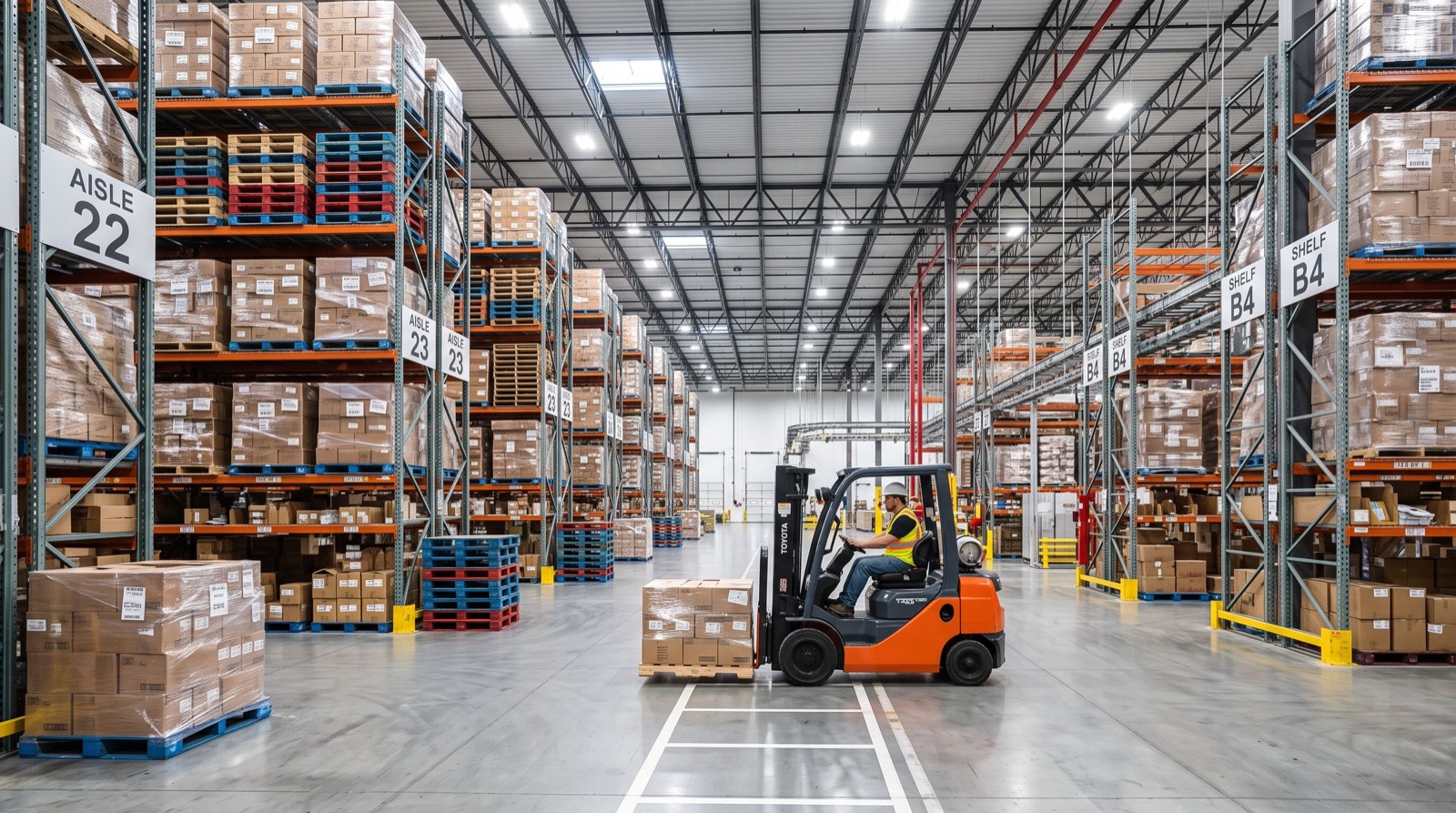
Ambient storage in Riyadh is the quiet engine behind the city’s retail, wholesale, and e-commerce boom. Not every product needs a freezer. Most packaged goods, raw materials, and consumer items simply need a clean, dry, temperature-stable building that shields them from the capital’s intense summer heat. Getting that choice right saves money and protects stock, while getting it wrong wastes budget on refrigeration you never needed, or ruins goods you under-protected.
This guide gives Riyadh businesses a clear decision framework: when ambient storage is the smart choice, when you need refrigeration instead, and how to evaluate a warehouse before you commit.
What Ambient Storage in Riyadh Actually Means
Ambient storage keeps goods at a controlled room temperature, usually between 15°C and 25°C, with managed humidity and ventilation. It is not simply an unconditioned shed. In a city where outdoor temperatures routinely exceed 45°C, true ambient warehousing relies on insulation, airflow, and sometimes light cooling to hold conditions steady.
Choosing a professional Ambient Storage In Riyadh facility means your cartons stay firm, your labels stay readable, and your products arrive to customers in the condition they left the factory.
What belongs in ambient space
- Canned and packaged foods that are shelf-stable.
- Beverages, excluding those needing chilling.
- Textiles, apparel, and footwear.
- Electronics and appliances in sealed packaging.
- Cosmetics, cleaning products, and general FMCG stock.
When You Need Frozen Storage Instead
Some products cannot survive at room temperature, no matter how well-ventilated. Meat, seafood, ice cream, and certain pharmaceuticals demand deep cold. For these, a dedicated Frozen Storage in Riyadh facility holding -18°C or below is the only safe answer.
The key is matching each product to its real requirement. Over-refrigerating shelf-stable goods burns energy; under-protecting perishables risks spoilage and compliance failures. Many Riyadh operators use both zones, routing each SKU to the environment it genuinely needs.
Ambient vs Frozen: A Decision Table
| Question | If yes | Storage choice |
|---|---|---|
| Does the product spoil at room temperature? | Yes | Frozen or chilled |
| Is it shelf-stable but moisture-sensitive? | Yes | Ambient (humidity-controlled) |
| Does the label specify a cold chain? | Yes | Frozen / chilled |
| Is cost the main concern and the item durable? | Yes | Ambient |
| Will it sit in storage for many months? | Depends | Match to product spec |
How to Evaluate an Ambient Warehouse in Riyadh
Not all warehouses are equal. Before signing, walk the site and ask hard questions. The right partner is transparent about conditions and processes.
- Temperature and humidity logs. Ask to see historical data, not just a promise.
- Insulation and roofing. Reflective roofing and insulated walls keep summer heat out.
- Pest control. A documented program protects food and packaging.
- Security and access. CCTV, controlled entry, and inventory audits reduce loss.
- Location. Proximity to ring roads and distribution hubs cuts last-mile cost.
A tip most buyers miss
Ask how the warehouse performs during a mid-August afternoon, not a mild morning. Peak-heat performance is the true test of insulation and ventilation. A facility that holds steady conditions at 2 p.m. in summer will handle anything the rest of the year throws at it.
Controlling Humidity in Riyadh’s Climate
Riyadh is dry for much of the year, but seasonal moisture and condensation around loading docks still threaten stored goods. According to guidance from the ASHRAE building-standards community, controlling relative humidity is as important as controlling temperature for product integrity.
- Use dehumidification near docks and entry points.
- Keep pallets off the floor to prevent moisture wicking.
- Seal doors to stop humid outside air from entering.
- Monitor dew point, not just temperature, in sensitive zones.
Working With the Right Local Partner
Local knowledge matters. A warehouse team that understands Riyadh’s climate, traffic, and regulations will keep your supply chain smooth. Partnering with an experienced local team means faster onboarding, fewer surprises, and storage conditions tuned to the realities of the capital.
Costs: What Ambient Storage in Riyadh Should Include
Pricing for warehouse space varies widely, and the cheapest quote is rarely the best value. What matters is what the rate actually covers. A low headline price can hide extra charges for handling, monitoring, or climate control that add up fast.
When comparing providers, look past the per-square-meter figure and ask what is bundled in. A transparent quote lets you compare like for like and avoid surprises at invoice time.
What to confirm in a storage quote
- Whether temperature and humidity control are included or billed separately.
- Inbound and outbound handling fees.
- Minimum contract term and notice period.
- Insurance coverage and liability limits.
- Reporting, stock-count, and system-access charges.
Scaling Storage With Your Business
Riyadh’s market moves quickly, and storage needs rarely stay flat. A seasonal retailer may need triple the space before a major shopping period, then scale back afterward. Rigid, fixed contracts can trap you paying for empty racks.
Flexible warehousing lets you expand and contract as demand shifts. Before committing, ask whether the provider can add space on short notice and whether pricing adjusts fairly as your volume grows. This flexibility is often worth more than a marginally lower rate.
- Forecast peak and off-peak space needs for the year ahead.
- Confirm how quickly extra space can be added.
- Negotiate terms that flex with seasonal demand.
- Review usage quarterly and adjust the footprint.
Frequently Asked Questions
What is the difference between ambient and chilled storage?
Ambient storage holds goods at controlled room temperature with managed humidity, ideal for shelf-stable products. Chilled storage runs cold, usually 2°C to 8°C, for items that spoil at room temperature but do not need freezing.
Is ambient storage safe in Riyadh’s summer heat?
Yes, when the facility is properly insulated, ventilated, and humidity-managed. True ambient warehousing holds steady internal conditions even when outdoor temperatures exceed 45°C.
How do I decide between ambient and frozen storage?
Check the product’s requirements. If it spoils at room temperature or specifies a cold chain, choose frozen or chilled. If it is shelf-stable and durable, ambient storage is cheaper and perfectly safe.
What should I check before renting warehouse space in Riyadh?
Review temperature and humidity logs, insulation quality, pest control, security, and location. Ask specifically how the building performs during peak summer heat, the true test of its design.
Conclusion
Choosing the right ambient storage in Riyadh comes down to matching each product to the conditions it genuinely needs, then selecting a warehouse that proves it can hold those conditions year-round. Use ambient space for durable, shelf-stable goods, reserve frozen capacity for true perishables, and insist on real performance data before you commit. In 2026, a well-matched storage strategy keeps your products protected and your costs under control.